What is the source component you use most in your home system?
Plenty of you clearly love vinyl, some favor digital discs, and others prefer using a NAS drive. But what, in terms of time used, is the most important source component in your system?


Plenty of you clearly love vinyl, some favor digital discs, and others prefer using a NAS drive. But what, in terms of time used, is the most important source component in your system?
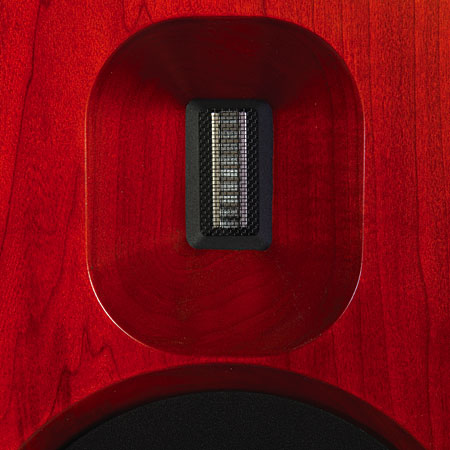
I know from conversations with other reviewers that this sort of thing happens all the time: Something new comes along—a product from a company we've never heard of, a technology we've never encountered before, whatever—and when we're impressed, we end up wondering if the thing is really as good as we think. We're insecure, just like you (footnote 1).
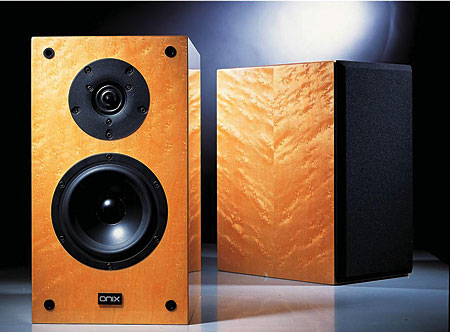
Audiophile societies are frequently sources of interesting new equipment to review. Recently, trolling New York's Audiophile Society, I discovered a tremendous buzz about the Onix Reference 1 Mk.II, an affordable bookshelf speaker from AV123. Founded by Audio Alchemy cofounder Mark Schifter, AV123 is a Colorado-based manufacturer and retailer that specializes in affordable audio gear, mostly speakers and electronics, which it sells exclusively over the Internet with a 30-day money-back guarantee. AV123's factories in China and Colombia design, manufacture, and distribute speakers under the brand names Onix, X-Series, and Rocket, and, I am told, also make speakers for a number of other companies. If the name Onix rings a bell, this former UK brand has long been known for its dedication to making affordable audio gear. AV123 bought Onix from the Rogers speaker company more than 10 years ago.
"Ariel?"
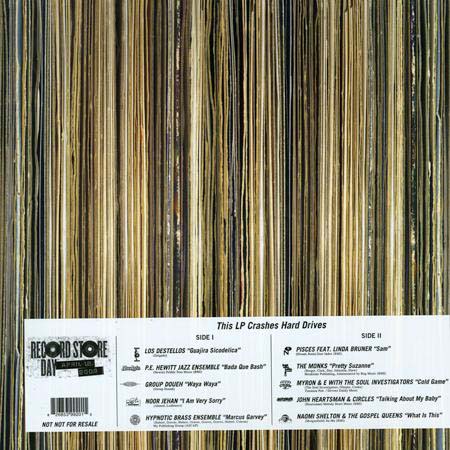
<a href="http://forum.stereophile.com/forum">Forum</a> member, dbowker, gave me the heads-up on this special Record Store Day LP. With <i>This LP Crashes Hard Drives</i>, ten of my favorite hard-core crate-digging specialist labels came together to release one hell of a deluxe, limited-edition, gatefold masterpiece—just one of the many reasons to raise our voices and rejoice for Record Store Day. The awesome package includes a CD sampler, zines, catalogs, stickers, and posters from all participating labels.

New York City's Matador Records rewards hardcore music lovers and promotes the growth of the music industry with their intelligent "<a href="http://www.buyearlygetnow.com/">Buy Early Get Now</a>" plan. With BEGN, fans can pre-order upcoming albums through participating trustworthy retailers across the nation. In addition to the actual album, BEGN packages include exclusive bonuses such as MP3s, posters, band merchandise, and, a free, legal stream of the entire album weeks before the official release date. I like it.
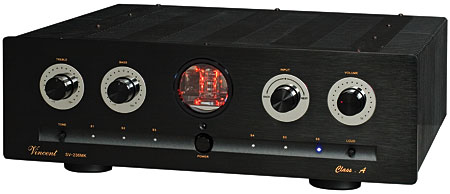
If you ever find yourself in an audiophile-type argument and need proof that, in the 21st century, manufacturing high-performance audio gear to sell for a reasonable retail price is becoming an impossibility, point to Vincent T.A.C.'s TubeLine SV-236MK integrated amplifier, designed in Germany and built in China.

During <a href="http://blog.stereophile.com/stephenmejias/a_visit_to_mikeys_and_the_gla… visit to Michael Fremer's house</a>, alongside all the LPs and cables and enormous amplifiers, I found myself thinking: <i>If only others could experience this, here, like this, they'd understand what all the fuss is about...</i>
At Salon Son & Image, I had my ears opened to <a href="http://blog.stereophile.com/ssi2009/the_nordost_difference/">the differences cables can make</a> when Nordost's Bruno de Lorimier demonstrated several of the company's interconnects, from the popular Blue Heaven ($230/1m pair) to the hallowed Valhalla ($5000/1m pair). I wrote:

Remember <a href="http://blog.stereophile.com/stephenmejias/my_bat-lightning_heart/">that crush I had</a> on Bat For Lashes' Natasha Khan?