
 | ||||||
|
|
|
>> 8. Do Cables With Filter Networks Sound Better?
Obstacle or enhancement?
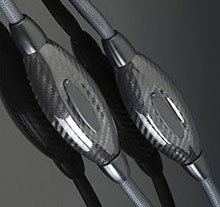
Some cable manufactures add boxes containing filters to their wires. These are often intended to prevent high-frequency oscillation as well as being used to tailor the sound. The problem is that in doing so, they impose their own sound, by removing parts of the signal.
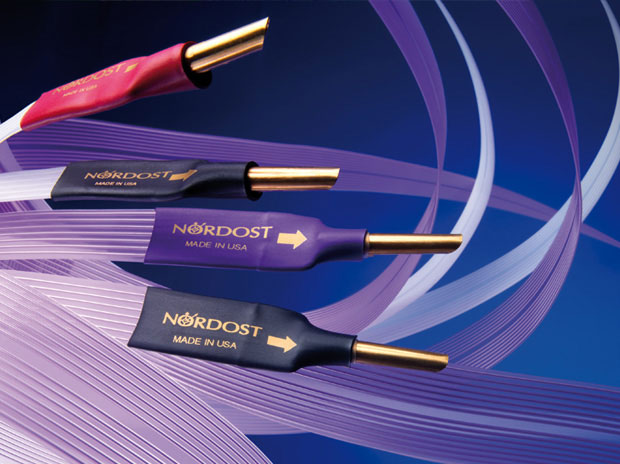
Instead, it is better to opt for a high-speed, phase-coherent, low-loss approach to cable design – one without complex, multiple insulation layers, built from different dielectric materials, one without filters. That way, you’ll hear less of the cables and more of that equipment you spent so much time choosing – and the musical performances its playing.
|
|
||
 The hardest task facing any hi-fi system is matching the dynamic range and energy of real life and real musical instruments. Although the human ear may be limited to the range between 20Hz and 20kHz, signals outside those boundaries affect what we hear, and we are aware of information at far higher and lower extremes. As a result, remove that energy will impact on the sense of life as well as the tonal balance of what we hear, altering and colouring the sound of the system.