| ||||||
|
|
|
>> 7. My Speakers Have Four Terminals: Should I Be Bi-Wiring Them?
Is more always better?
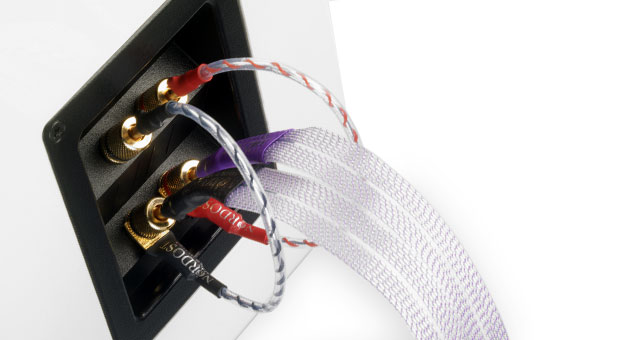
The bi-wiring of loudspeakers, in which the various drivers are fed individually to avoid modulation of the high-frequency signals by the larger low-frequency ones, grew from a fad, to a fashion to an essential feature. Now its popularity is declining again, with the majority of high-end loudspeakers in particular, returning to single sets of input terminals.
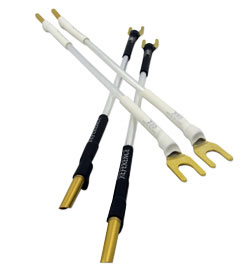
Designing the crossover for seamless integration is the hardest part of any speaker project. Splitting the signal grounds of that crossover by bi-wiring it can deliver benefits, but only if it is executed as part of the ground-up design process. Simply splitting the grounds after the fact may provide a greater sense of detail and clarity, but almost always at the price of reduced integration and musical coherence. Use different cables on the different crossover legs and that situation gets much, much worse. In general, we find that a single run of cable costing, say, $200 will always sound better than two runs each costing $100. So we would generally suggest the following approach: single-wire with the best cable you can afford (you can always add a second run later) but make sure that you replace the standard jumper links provided with your speakers with a set of purpose designed links that match the speaker cables. Remember – consistency, consistency, consistency. You’ll be surprised just how much difference those links will make. More information about how to bi-wire your home audio system.
|
|
||