» SUBSCRIBE
» DIGITAL EDITION
» RENEW
» GIVE A GIFT
» SUB SERVICES
» FREE NEWSLETTER
Advertisement
>Cable Differences
Do the cables in an audio system actually make a difference?
 
>Cable Measurement
Audible differences that we can finally measure…
 
>Optimizing
How to get the most out of your cables – and your system.
 
>AC Power
AC Power – the root of the problem, the start of the solution.
 
>Source Direct
Do you really need dedicated digital (and analog) cable designs?
 
>Balanced Cables
Will using balanced cables in my system make it sound better?
 
>Bi-Wiring
My speakers have four terminals: should I be bi-wiring them?
 
>Filter Networks
Do cables with filter networks sound better?
 
>Supports
And finally – don’t forget what’s supporting your equipment.
 
>Stereophile Preview
Ariel Bitran previews the Nordost Valhalla 2 interconnect.
>> 5. Do You Really Need Dedicated Digital (And Analog) Cable Designs?

The simple answer is, yes.

Digital inputs and outputs are governed by strict impedance standards that demand matching cables and connectors, while the tiny size of phono cartridge outputs (between 500 and 5000 times smaller than the average CD player) makes them particularly susceptible to capacitance in the connecting cables.

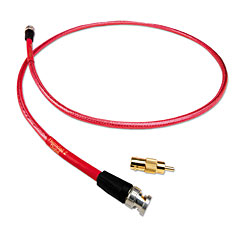
Coaxial digital connections require a 75 ohm cable and should ideally be made via BNC bayonet-type connectors, rather than RCA. The other common digital standard, the balanced AES/EBU connection requires XLRs and a 110 ohm cable, so beware digital interconnects that claim to match both standards.

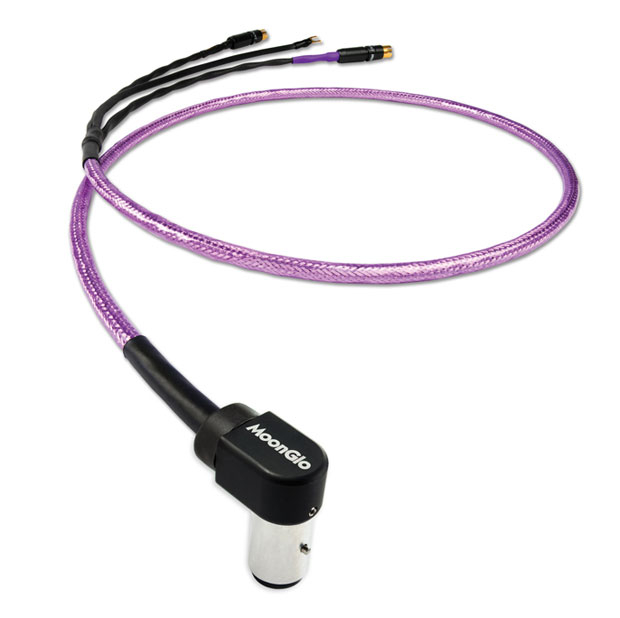
In the case of tonearms, not only is the signal the most fragile and easily damaged in the system, but being part of the front-end any damage will simply be amplified by the rest of the chain. In addition, the cable characteristics form a significant part of the loading on the cartridge generator system, and will have an equally significant impact on tonal balance and musical energy.

In both digital and analog scenarios, correct wiring of source-based signals will be critical to overall system performance. Standard interconnects are not up to the job and properly optimized, dedicated cable designs are essential to achieving the level of performance that your equipment is capable of – and that you’ve already paid for.


Go To: Balanced Cables >>