The Sears guy came to our basement the other day to check out the water heater. Staring at the walls of LPs and tiptoeing through the piles of CDs strewn on the floor, he exclaimed, "What the heck are you? A disc jockey?" So I told him. 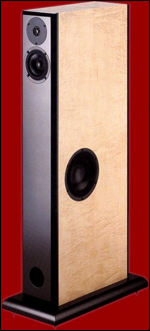 "Yeah, I finally broke down and bought a CD player a coupla weeks ago," he continued, completely forgetting about the water heater. "But I think something's wrong with it." "Why?" I asked. "Well, I'm a big Roy Orbison fan, and so the first thing I bought was a Roy CD and it don't sound like Roy. I know Roy's voice. I seen him a million times—and it don't sound like him." By this time he'd plopped himself down in the E-ticket listening seat and was so mesmerized by the scene that, if the water heater had blown right then, he'd probably have looked up and said, "Hey, you better call somebody in to look at that." "There's nothing wrong with your CD player," I assured him. "You're just a discerning listener. Let me play you some Roy on an old-fashioned record and you tell me what you think." So I played him "Only the Lonely," from a green-and-gold-label second pressing of Roy Orbison's Greatest Hits (Monument SLP 18000). Now, if you want to talk about records worth expiring for, how about a copper/swirl-label first pressing? I've never even seen one.
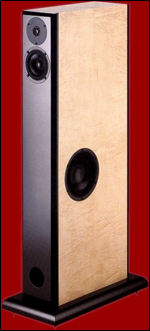
Anyway, I played him the track. He turned around with a look on his face like he'd just seen a ghost—which pretty much sums it up—his jaw came up off the floor, and he said, "Unbef***inglievable!" Twice. "I've never heard anything like that. That's a regular old record?" I was expecting that reaction, but not what happened next. He got up and walked right past the Audio Physic Virgos, which were about 6' away from where he was sitting, and headed to the back wall, where I'd parked my 7'-tall Eminent Technology VIs. "These things are unbelievable! I've never heard loudspeakers that sound like that. They don't even look like loudspeakers." The Virgos do look like loudspeakers. They have no grillecloths, so a pair of very conventional-looking tweeters and midrange drivers, music spewing from them, were staring this guy right in the punim, and he thought the sound was coming from the big black room dividers against the wall. Amazing. "Those weren't playing," I explained. "The ones staring you in the face were."
"Unbef***inglievable." The Virgos flat-out disappeared. Better than other speakers that disappear? Better than the ProAc Response 2s I reviewed a few years ago, which also pull a vanishing act? I don't know. Different room, different equipment, different time. Better than other speakers reviewed on these pages for which disappearance is claimed? I can't say. No reviewer gets to hear it all. Clearly, the Virgos disappeared, leaving one of the most credible three-dimensional soundstages I've ever experienced in any of my listening rooms over the years.
"Yeah, I finally broke down and bought a CD player a coupla weeks ago," he continued, completely forgetting about the water heater. "But I think something's wrong with it." "Why?" I asked. "Well, I'm a big Roy Orbison fan, and so the first thing I bought was a Roy CD and it don't sound like Roy. I know Roy's voice. I seen him a million times—and it don't sound like him." By this time he'd plopped himself down in the E-ticket listening seat and was so mesmerized by the scene that, if the water heater had blown right then, he'd probably have looked up and said, "Hey, you better call somebody in to look at that." "There's nothing wrong with your CD player," I assured him. "You're just a discerning listener. Let me play you some Roy on an old-fashioned record and you tell me what you think." So I played him "Only the Lonely," from a green-and-gold-label second pressing of Roy Orbison's Greatest Hits (Monument SLP 18000). Now, if you want to talk about records worth expiring for, how about a copper/swirl-label first pressing? I've never even seen one.
Anyway, I played him the track. He turned around with a look on his face like he'd just seen a ghost—which pretty much sums it up—his jaw came up off the floor, and he said, "Unbef***inglievable!" Twice. "I've never heard anything like that. That's a regular old record?" I was expecting that reaction, but not what happened next. He got up and walked right past the Audio Physic Virgos, which were about 6' away from where he was sitting, and headed to the back wall, where I'd parked my 7'-tall Eminent Technology VIs. "These things are unbelievable! I've never heard loudspeakers that sound like that. They don't even look like loudspeakers." The Virgos do look like loudspeakers. They have no grillecloths, so a pair of very conventional-looking tweeters and midrange drivers, music spewing from them, were staring this guy right in the punim, and he thought the sound was coming from the big black room dividers against the wall. Amazing. "Those weren't playing," I explained. "The ones staring you in the face were."
"Unbef***inglievable." The Virgos flat-out disappeared. Better than other speakers that disappear? Better than the ProAc Response 2s I reviewed a few years ago, which also pull a vanishing act? I don't know. Different room, different equipment, different time. Better than other speakers reviewed on these pages for which disappearance is claimed? I can't say. No reviewer gets to hear it all. Clearly, the Virgos disappeared, leaving one of the most credible three-dimensional soundstages I've ever experienced in any of my listening rooms over the years.
"Yeah, I finally broke down and bought a CD player a coupla weeks ago," he continued, completely forgetting about the water heater. "But I think something's wrong with it." "Why?" I asked. "Well, I'm a big Roy Orbison fan, and so the first thing I bought was a Roy CD and it don't sound like Roy. I know Roy's voice. I seen him a million times—and it don't sound like him." By this time he'd plopped himself down in the E-ticket listening seat and was so mesmerized by the scene that, if the water heater had blown right then, he'd probably have looked up and said, "Hey, you better call somebody in to look at that." "There's nothing wrong with your CD player," I assured him. "You're just a discerning listener. Let me play you some Roy on an old-fashioned record and you tell me what you think." So I played him "Only the Lonely," from a green-and-gold-label second pressing of Roy Orbison's Greatest Hits (Monument SLP 18000). Now, if you want to talk about records worth expiring for, how about a copper/swirl-label first pressing? I've never even seen one.