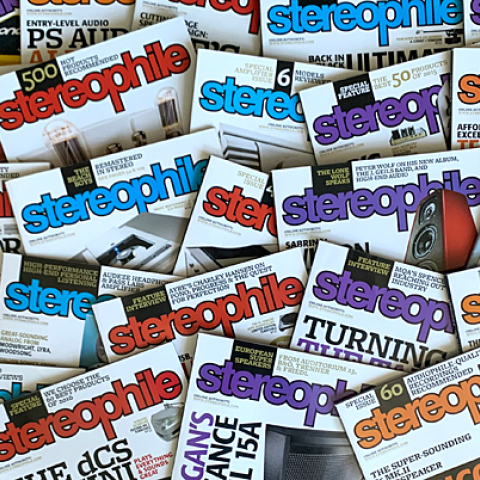
The science of recording music is, to apply a metaphor from a very different context, akin to "breaking a butterfly on a wheel" (footnote 1). The art of recording is to make it appear as though that pinned insect could still take wing. I have been devoted to both the science and the art of recording music since 1965, when I was given a Grundig ¼" open-reel tape recorder as a birthday present. You could even say that my evolving interest in audio and my current position at the helm of Stereophile date back to my finding out how different a Shure SM57 dynamic cardioid microphone sounded from a Reslo Ribbon, even in mono, even at 3¾ips, when captured on that Grundig. 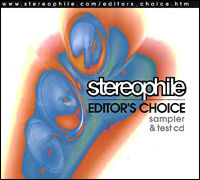 Jump-cut a quarter century. In November 1992, I recorded Canadian pianist Robert Silverman live in concert for a 2-CD set released on Stereophile's own label. In the 10 years since then, I have recorded 10 more Stereophile CDs, as well as two for Minnesota-based choir Cantus and a 10-CD set of Beethoven piano sonatas for Bob Silverman. The idea of celebrating that decade of blowing life into the wings of recorded sound (footnote 2) by releasing a CD of some of my favorite cuts was a no-brainer. My thanks to Stereophile's Stephen Mejias for suggesting the obvious title when, one day, I confessed that I had no idea what to call the new CD. Editor's Choice costs $9.97 plus S&H and, along with all the CDs mentioned in this article, can be purchased from this website's secure "Recordings" page or by calling (888) 237-0955. On to the next 10 years!—John Atkinson Acknowledgments: As well as the musicians who have graciously allowed me to record them and the producers who helped me realize these recorded performances, many people have given of their time, support, and enthusiasm over the years to help me explore our shared passion. In alphabetical order, I would like to thank: Kavi Alexander, James S. Anderson, Jim Anderson, Larry Archibald, Nancy Belt, Eric Blackmer, James Boyk, Jerry Boys, Jerry Bruck, George Cardas, Martin Colloms, Tony Cox, John Crabbe, Hugh Davies, Tim de Paravicini, Wes Dooley, Doug Doyle, Les Edelberg, Hudson Fair, Tony Faulkner, Antoinette Flossi, Fred Forssell, Danny Grimes, Gretchen Grogan, Malcolm Omar Hawksford, Tyll Hertsens, J. Gordon Holt, Ivor Humphreys, Ralph Johnson, Eric Jorde, Chad Kassem, Bob Katz, Robert Kelly, John La Grou, Heather Lane, Steven K. Lee, Richard Lehnert, Stanley Lipshitz, Bill Low, Don MacInnis, David Manley, EveAnna Manley, Peter McGrath, Angus McKenzie MBE, Ed Meitner, Wes Phillips, Jack Renner, Stan Ricker, Maura Rieland, Doug Sax, Ben and Bryan Shaw, Mike Skeet, David Smith, Matthew S. Snyder, Bob Stuart, Mike Swain, Peter J. Walker, Glenn Zelniker, and all my colleagues at Stereophile magazine.—John Atkinson
Footnote 1: Alexander Pope, "An Epistle to Dr. Arbuthnot," later used by William Rees Mogg, then editor of the London Times, to comment on Mick Jagger's 1967 amphetamine bust. Footnote 2: I discuss my recording philosophy in two published conversations with Wes Phillips. Both are available online, the first from 1996, the second from 2000. My thanks to Wes and to Schneider Publishing, Inc. for allowing me to quote from that second interview in this article.
Jump-cut a quarter century. In November 1992, I recorded Canadian pianist Robert Silverman live in concert for a 2-CD set released on Stereophile's own label. In the 10 years since then, I have recorded 10 more Stereophile CDs, as well as two for Minnesota-based choir Cantus and a 10-CD set of Beethoven piano sonatas for Bob Silverman. The idea of celebrating that decade of blowing life into the wings of recorded sound (footnote 2) by releasing a CD of some of my favorite cuts was a no-brainer. My thanks to Stereophile's Stephen Mejias for suggesting the obvious title when, one day, I confessed that I had no idea what to call the new CD. Editor's Choice costs $9.97 plus S&H and, along with all the CDs mentioned in this article, can be purchased from this website's secure "Recordings" page or by calling (888) 237-0955. On to the next 10 years!—John Atkinson Acknowledgments: As well as the musicians who have graciously allowed me to record them and the producers who helped me realize these recorded performances, many people have given of their time, support, and enthusiasm over the years to help me explore our shared passion. In alphabetical order, I would like to thank: Kavi Alexander, James S. Anderson, Jim Anderson, Larry Archibald, Nancy Belt, Eric Blackmer, James Boyk, Jerry Boys, Jerry Bruck, George Cardas, Martin Colloms, Tony Cox, John Crabbe, Hugh Davies, Tim de Paravicini, Wes Dooley, Doug Doyle, Les Edelberg, Hudson Fair, Tony Faulkner, Antoinette Flossi, Fred Forssell, Danny Grimes, Gretchen Grogan, Malcolm Omar Hawksford, Tyll Hertsens, J. Gordon Holt, Ivor Humphreys, Ralph Johnson, Eric Jorde, Chad Kassem, Bob Katz, Robert Kelly, John La Grou, Heather Lane, Steven K. Lee, Richard Lehnert, Stanley Lipshitz, Bill Low, Don MacInnis, David Manley, EveAnna Manley, Peter McGrath, Angus McKenzie MBE, Ed Meitner, Wes Phillips, Jack Renner, Stan Ricker, Maura Rieland, Doug Sax, Ben and Bryan Shaw, Mike Skeet, David Smith, Matthew S. Snyder, Bob Stuart, Mike Swain, Peter J. Walker, Glenn Zelniker, and all my colleagues at Stereophile magazine.—John Atkinson Footnote 1: Alexander Pope, "An Epistle to Dr. Arbuthnot," later used by William Rees Mogg, then editor of the London Times, to comment on Mick Jagger's 1967 amphetamine bust. Footnote 2: I discuss my recording philosophy in two published conversations with Wes Phillips. Both are available online, the first from 1996, the second from 2000. My thanks to Wes and to Schneider Publishing, Inc. for allowing me to quote from that second interview in this article.