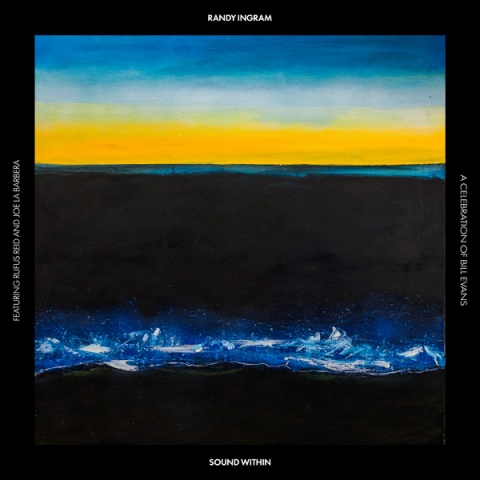
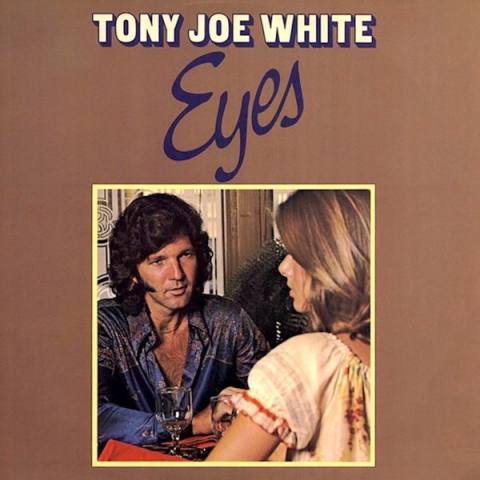
It's said that your first experience on entering a space sets the tone for all that follows. At LP pressing plant Record Technology, Inc. (RTI), that experience is my encounter with veteran pressman Richard Lopez, who responds to my request for direction. As he leaves his vintage record press to lead me to owner Don MacInnis, Lopez reads aloud the sticker on a box of recently pressed LPs. "WORLD'S FINEST PHONOGRAPH RECORDS," he declares with pride. As I reflect on how few workers today feel so connected to the products they make, I sense that something special lies ahead.
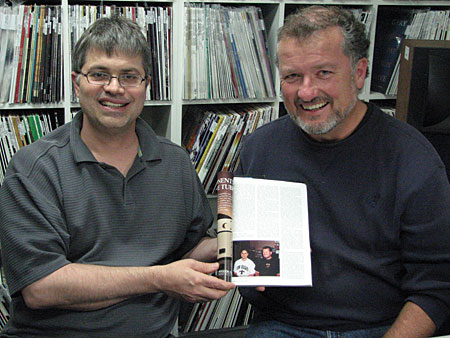
 Soon this vinyl virgin is sitting in the cozy AcousTech mastering facility in Camarillo, California. Tucked into the rear of one of RTI's buildings, this hardly prepossessing space—one of perhaps four rooms in which vinyl is still mastered exclusively in the analog domain—is often considered the best-sounding LP mastering and lacquer-cutting studio in the US. Alongside me and MacInnis are the designer of the facility, Kevin Gray, almost 54, and his longtime partner in mastering crime, Steve Hoffman, 54.
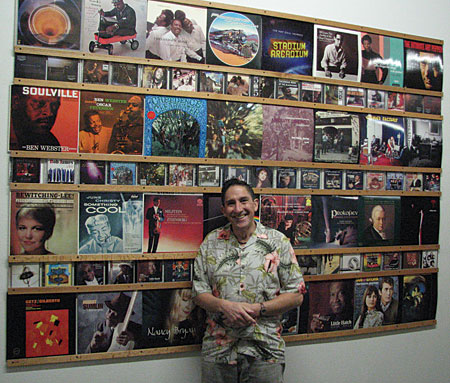
"Between us, we have 108 years of experience," Hoffman quips. They've also mastered a good 10,000 albums. Outside the room is an oft-photographed wall displaying covers of some of the facility's prized platters. Seeing all those titles together might reduce Mikey Fremer to jelly.
Soon among us is Chad Kassem, whose Acoustic Sounds label is preparing to issue up to twenty-five 45rpm, 180gm LPs from prized Blue Note master tapes. Not only are these boys so accustomed to visitors that nothing I ask distracts them, but Gray later thanks me for not being a clone of one self-assured reporter who challenged his every move and decision.
Soon this vinyl virgin is sitting in the cozy AcousTech mastering facility in Camarillo, California. Tucked into the rear of one of RTI's buildings, this hardly prepossessing space—one of perhaps four rooms in which vinyl is still mastered exclusively in the analog domain—is often considered the best-sounding LP mastering and lacquer-cutting studio in the US. Alongside me and MacInnis are the designer of the facility, Kevin Gray, almost 54, and his longtime partner in mastering crime, Steve Hoffman, 54.
"Between us, we have 108 years of experience," Hoffman quips. They've also mastered a good 10,000 albums. Outside the room is an oft-photographed wall displaying covers of some of the facility's prized platters. Seeing all those titles together might reduce Mikey Fremer to jelly.
Soon among us is Chad Kassem, whose Acoustic Sounds label is preparing to issue up to twenty-five 45rpm, 180gm LPs from prized Blue Note master tapes. Not only are these boys so accustomed to visitors that nothing I ask distracts them, but Gray later thanks me for not being a clone of one self-assured reporter who challenged his every move and decision.
 Hoffman does most of the talking. "What we're doing in here is basically the same thing they've been doing since 1887. The cutting process really hasn't changed. You take some soft material and make a record. Emil Berliner turned it into a flat disc instead of a cylinder. Our main concern is that when I decide what I want the recording to sound like, the lacquer should sound the same."
It helps that this may be the only cutting room in the world that uses pure class-A amplification, all the way from the tape machine to the cutting head. Gray began building the transformerless room in the late 1970s, and has recently installed top-of-the-line AudioQuest cables. "I stayed away from this audiophile stuff until Joe Harley convinced me to try it, and I've been very happy." Soon will come aftermarket power cables. Citing my own experience, I predict that Gray will then be an even happier camper.
Hoffman explains that the legendary Rudy Van Gelder created the classic Blue Note sound. "The beauty of working with a Rudy Van Gelder master is that he's a very predictable engineer. Everything has a similar sonic signature, which makes it very easy for us. He favored a vibrant, slightly over-the-top coloration. It's a fairly bright sound. Even though he had a very high ceiling in his cutting room, he rode his equipment a little harder than usual. If you remove the signature, people feel you've lost the magic. We have to be careful to retain it while making the instruments sound as neutral and lifelike as possible.
Hoffman does most of the talking. "What we're doing in here is basically the same thing they've been doing since 1887. The cutting process really hasn't changed. You take some soft material and make a record. Emil Berliner turned it into a flat disc instead of a cylinder. Our main concern is that when I decide what I want the recording to sound like, the lacquer should sound the same."
It helps that this may be the only cutting room in the world that uses pure class-A amplification, all the way from the tape machine to the cutting head. Gray began building the transformerless room in the late 1970s, and has recently installed top-of-the-line AudioQuest cables. "I stayed away from this audiophile stuff until Joe Harley convinced me to try it, and I've been very happy." Soon will come aftermarket power cables. Citing my own experience, I predict that Gray will then be an even happier camper.
Hoffman explains that the legendary Rudy Van Gelder created the classic Blue Note sound. "The beauty of working with a Rudy Van Gelder master is that he's a very predictable engineer. Everything has a similar sonic signature, which makes it very easy for us. He favored a vibrant, slightly over-the-top coloration. It's a fairly bright sound. Even though he had a very high ceiling in his cutting room, he rode his equipment a little harder than usual. If you remove the signature, people feel you've lost the magic. We have to be careful to retain it while making the instruments sound as neutral and lifelike as possible.
 "We have a diamond here. We polish it and put it in the best possible light. Other mastering engineers have their own ideas of what sounds best. Our philosophy is not to play God. We're not trying to reinvent history, not trying to make something sound modern. And we're certainly not going to resort to digital restoration, which kills the life as it kills the hiss."
Out with Mono
"We have a diamond here. We polish it and put it in the best possible light. Other mastering engineers have their own ideas of what sounds best. Our philosophy is not to play God. We're not trying to reinvent history, not trying to make something sound modern. And we're certainly not going to resort to digital restoration, which kills the life as it kills the hiss."
Out with Mono
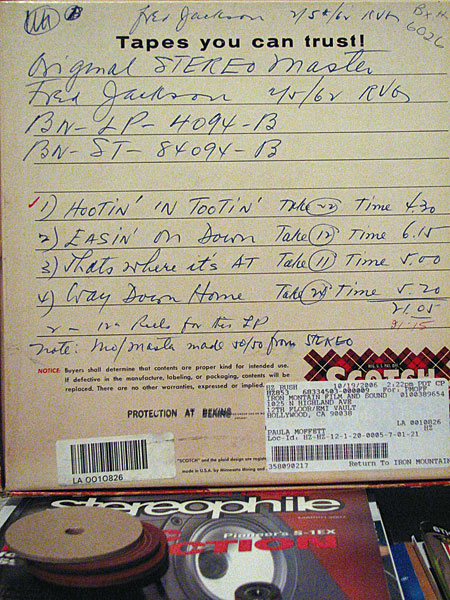
Gray, Hoffman, and Kassem soon launch into the first of several intense spiels about the stereo pedigree of these master tapes. ("Make sure your readers see this," insist the latter two more than once.) While many record collectors hold fast to the belief that Van Gelder's Blue Notes were intended solely for mono distribution, Kassem points to the handwriting on each open-reel master that clearly states that the recordings are stereo.
"They were released in mono because stereo albums cost a dollar more," he says. "They felt there wouldn't be enough interest to justify the effort. We're not going to keep anyone from enjoying the full sound by collapsing the soundstage and hiding their wonder. There aren't many—10 to 20—people on the planet who have heard these master tapes. Any critic who says that the only good Blue Note is a mono Blue Note hasn't heard the masters."
Soon this vinyl virgin is sitting in the cozy AcousTech mastering facility in Camarillo, California. Tucked into the rear of one of RTI's buildings, this hardly prepossessing space—one of perhaps four rooms in which vinyl is still mastered exclusively in the analog domain—is often considered the best-sounding LP mastering and lacquer-cutting studio in the US. Alongside me and MacInnis are the designer of the facility, Kevin Gray, almost 54, and his longtime partner in mastering crime, Steve Hoffman, 54.
"Between us, we have 108 years of experience," Hoffman quips. They've also mastered a good 10,000 albums. Outside the room is an oft-photographed wall displaying covers of some of the facility's prized platters. Seeing all those titles together might reduce Mikey Fremer to jelly.
Hoffman does most of the talking. "What we're doing in here is basically the same thing they've been doing since 1887. The cutting process really hasn't changed. You take some soft material and make a record. Emil Berliner turned it into a flat disc instead of a cylinder. Our main concern is that when I decide what I want the recording to sound like, the lacquer should sound the same."
It helps that this may be the only cutting room in the world that uses pure class-A amplification, all the way from the tape machine to the cutting head. Gray began building the transformerless room in the late 1970s, and has recently installed top-of-the-line AudioQuest cables. "I stayed away from this audiophile stuff until Joe Harley convinced me to try it, and I've been very happy." Soon will come aftermarket power cables. Citing my own experience, I predict that Gray will then be an even happier camper.
"We have a diamond here. We polish it and put it in the best possible light. Other mastering engineers have their own ideas of what sounds best. Our philosophy is not to play God. We're not trying to reinvent history, not trying to make something sound modern. And we're certainly not going to resort to digital restoration, which kills the life as it kills the hiss."
Out with Mono
Gray, Hoffman, and Kassem soon launch into the first of several intense spiels about the stereo pedigree of these master tapes. ("Make sure your readers see this," insist the latter two more than once.) While many record collectors hold fast to the belief that Van Gelder's Blue Notes were intended solely for mono distribution, Kassem points to the handwriting on each open-reel master that clearly states that the recordings are stereo.