

Analog Corner #215: B.M.C. Phono MCCI phono preamplifier

In July 2008 I reviewed the intriguing Phono 2Ci moving-magnet/moving-coil phono preamplifier from Aqvox Audio Devices. Though it then cost only $1400, the Phono 2Ci's current-input circuitry represented a high-tech departure from the typical voltage-gain circuits used by almost everyone else. Although keeping its retail price so low resulted in some sonic compromises, it sounded remarkable, and tough to beat at the price.
Continue Reading »
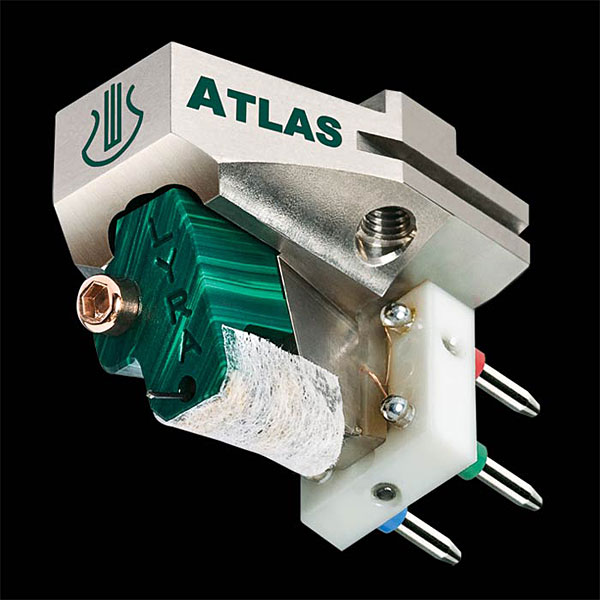
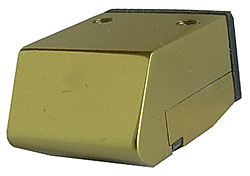 London phono cartridges still carry the famous Decca name (even if only in parentheses), but they are now produced by John Wright, a precision engineer and ex-Decca employee. Wright (not to be confused with his IMF and more recent TDL loudspeaker-designer namesake) was assigned the rights in 1989 by Decca's Special Products division (footnote 1), when the company's new owner, Racal, decided that they didn't want to be involved in the manufacture of audio equipment. Wright worked for 20 years in Decca's phono-cartridge division, where he gained a wealth of experience. As well as manufacturing the current range of London cartridges, he is also responsible for servicing and overhauling older Decca models.