Stand Loudspeaker Reviews

Sort By: Post DateTitle Publish Date

The Entry Level #20

It was another flawlessly beautiful spring morning, and I was in Bay Ridge, Brooklyn, to help John Atkinson pack up the Lansche Audio 5.1 loudspeakers ($41,000/pair). John had only just completed his listening and bench tests (see his review in the July issue), and was not ready to let go of the lovely Lansches—but the speakers would be picked up by a trucking company that afternoon and sent to our cover photographer, Eric Swanson, in Santa Fe, New Mexico. Each Lansche measures 40.9" tall by 10.1" W by 19.3" D and weighs 167.5 lbs—packing them and securing them to a shipping pallet is definitely a two-man job. In our case, that job required a lot of wheezing, a little bleeding, and just the right amount of cursing. And because it was only 11am when we met, we were obliged to accomplish the task without the aid of beer—a crying shame, if you ask me—but we handled it in our usual, manly fashion.

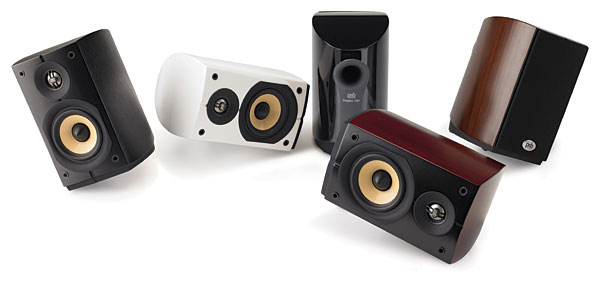
PSB Imagine Mini loudspeaker

The first loudspeaker I heard from the Canadian company PSB was the Stratus, an affordably priced ($1400/pair), two-way tower with a soft-dome tweeter and an 8" woofer. The Stratus had benefited from designer Paul Barton's being able to use the anechoic chamber at the Canadian government's National Research Center, in Ottawa. The Stratus was reviewed for Stereophile by J. Gordon Holt in our May 1988 issue; he described the speaker as "eminently listenable," though Gordon also felt that it was "a little lacking in guts and liveliness." I had sat in on some of his listening sessions and had been impressed by what I heard.

Definitive Technology StudioMonitor 45 loudspeaker

The Definitive Technology StudioMonitor 45 measures a very room- and back-friendly 11 11/16" (297mm) high by 6¾" (172mm) wide by 11 11/16" (297mm) deep, but these dimensions are attractive for reasons other than simple, efficient transport and placement. I noticed right away that something about the speaker just looked right. Paul DiComo, DefTech's senior vice president of marketing and product development, explained that while the number and size of drivers used in any DefTech design will largely dictate that speaker's height and width, the company nevertheless aims for Fibonacci, or golden-ratio, dimensions. According to DiComo, these efforts help minimize standing-wave and "organ-pipe" resonances inside the speaker's cabinet.

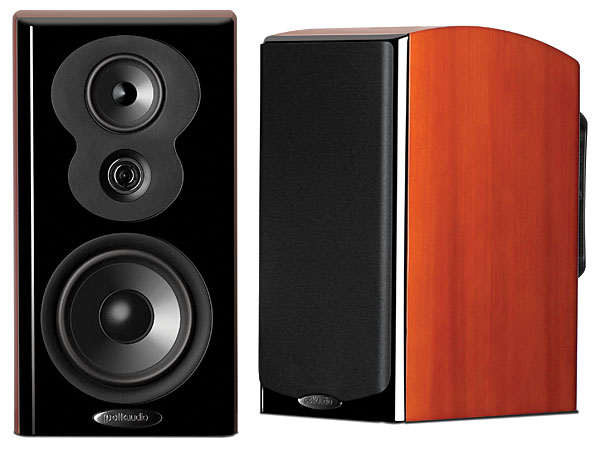
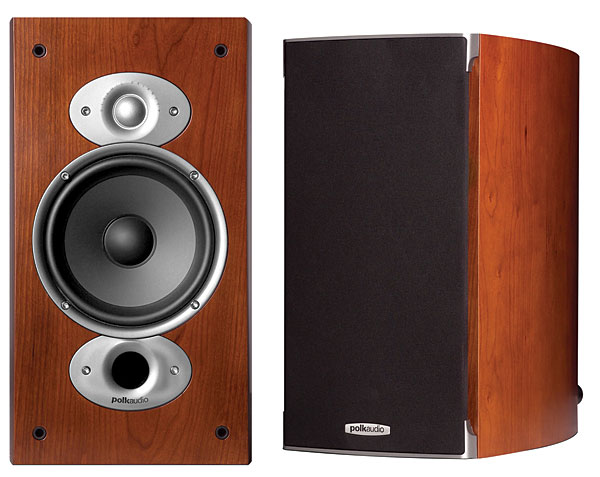
Polk Audio RTi A3 loudspeaker

Back at home, I'd recently set up Polk Audio's RTi A3 loudspeakers ($399.95/pair), which, at 14.75" H by 8.58" W x 14" D, are by far the largest bookshelf models I've had in my listening room. Right out of the box, the RTi A3 impressed me with its fit and finish. In Polk's Damped Asymmetrical Hex Laminate Isolation (DAHLI) cabinet design, five layers of MDF are glued together to form a damping system, then topped by a real-wood veneer of black ash or, in the case of my review samples, an impeccable cherry. The gracefully curved cabinet narrows in width from 8.58" at the front to about 5" at the rear, and is said to create a stronger, more rigid, more acoustically inert enclosure. (Knocking on the speaker's side panels resulted in a hollow resonance.)

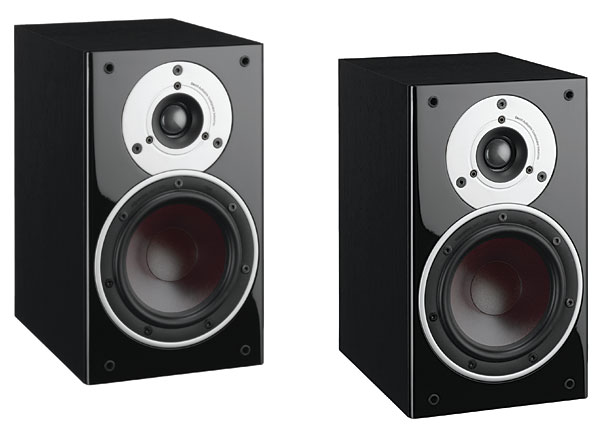
DALI Zensor 1 loudspeaker

I thought I'd review the procedure I typically use to seek out affordable speakers for review as, in the case of the Denmark-designed DALI Zensor, made in the company's facility in China, there was a twist at the end.


In preparing to review affordable loudspeakers, I typically put together a list of potential candidates I've discovered at audio shows, or that have been recommended to me by other Stereophile writers. I add to that list products I've learned about from press promotions, usually from companies whose products have impressed me in the past. I boil this down to a short list, then run it by Stephen Mejias to make sure I'm not tripping over The Kid's own quest for budget sonic nirvana.

The Entry Level #19

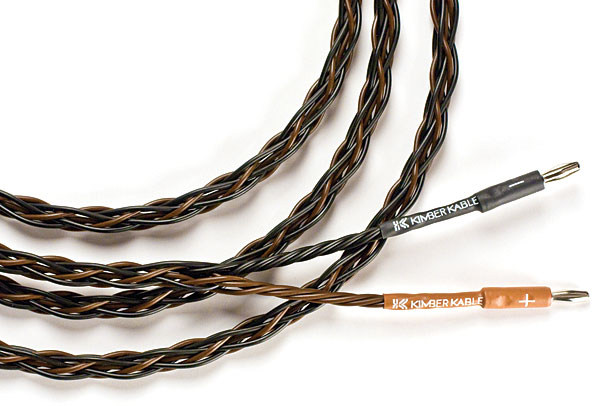
It was unusually warm for early spring, without a cloud in the big, blue sky to tame the sun's dazzling light—far too beautiful a day to be indoors, but Uncle Omar and I had already planned a little listening session, and I was determined to show him that high-end cables would make a difference in his system. I wasn't necessarily feeling bullish about the task, though. It had taken me a couple of years to convince Omar that he should replace his old boom-box speakers with something better, and it was only dumb luck that finally made it happen: I was with him when he found a gently used pair of B&W DM602 speakers at a junk shop in Jersey City. When they were new, the DM602s sold for around $600/pair, but on this happy day they were tagged at $50. "Do it," I begged him. "Doooooo it!"

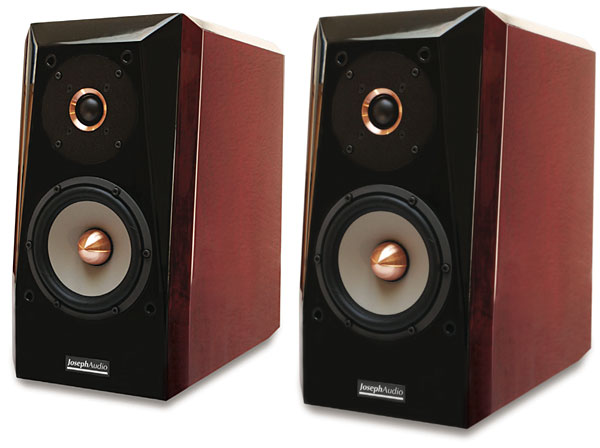
Joseph Audio Pulsar loudspeaker

I approached this loudspeaker much as some of today's political candidates might approach sex: as a means of reproduction, not pleasure.


I brought it on myself. I asked to review Joseph Audio's stand-mounted, two-way Pulsar because I felt an obligation to step down from the rarified air of some of the absurdly priced gear I've been reviewing lately and sample something more "affordable." The Pulsar costs $7000/pair.

Wilson Audio Specialties Duette loudspeaker

I had had it in the back of my mind for some time to try to hear the Wilson Duette, if only because celebrated classical recording engineer Tony Faulkner had, some time ago, shared with me his opinion that the Duette's simpler crossover made it the most coherent speaker in Wilson's line. Faulkner told me that when a cramped recording venue makes it impossible for him to use his favorite Quad electrostatic speakers for monitoring, he uses Duettes.

Paradigm Reference Studio 20 v5 loudspeaker


I have fond memories of the Paradigm Reference Studio 20. When I reviewed the original version for the February 1998 issue of Stereophile, it was the model that started me on my quest to seek out the best affordable loudspeakers. I believe that of all the speakers I've reviewed, the original Studio 20 remained in the magazine's "Recommended Components" longest. When I checked out the speaker's fourth generation, in May 2008, I felt it had significantly progressed in terms of sound quality and value for money. This didn't surprise me, however, as pushing the envelopes of sound quality and value has long been Paradigm's trademark. They've done with this with every one of their speakers I've heard, including the third and fifth iterations of the Atom (which I reviewed in September 2002 and February 2008, respectively), and the more expensive models I've heard at audio shows. So when I was given the opportunity to review the Studio 20's fifth generation, I jumped.
Advertisement
Advertisement
Advertisement