

Audio Refinement The Complete integrated amplifier
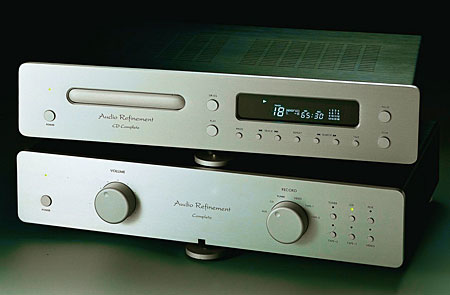
Among the most hallowed of my ten or so (the number varies) personal commandments of high-end audio is the following (to be uttered in sepulchral tones with deep humility):
Audio Research I/50 integrated amplifier
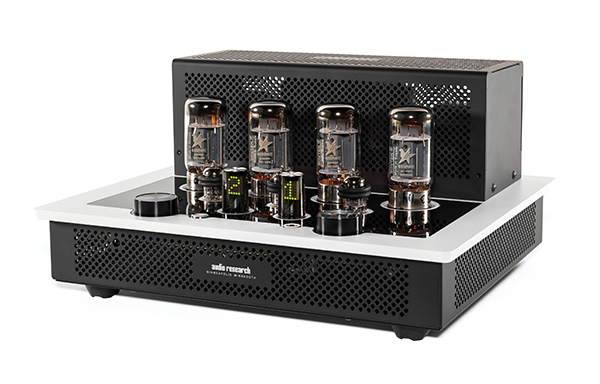
The first true high-end component I owned was an Audio Research SP-10. I reviewed this two-box, tubed preamplifier in the May 1984 issue of the English magazine Hi-Fi News & Record Review. "The SP-10 presented [recorded] information in a more coherent, less distorted manner than any preamp I've tried," I wrote in the review, concluding that "the SP-10 made me realize how many good records I owned." I purchased the SP-10 and brought the preamplifier with me when I moved to the US. Four decades later, I still have that SP-10. "Every now and again, when I want to be reminded of the magic it brings to my music, I set it up, plug in the tubes, and spend an evening spoiling my ears," I wrote for an article in Ken Kessler's 2020 book on the history of Audio Research.
I was planning to review the latest product from Audio Research, the I/50 integrated amplifier, which costs $5500, earlier this year. However, with the uncertainty back then about the company's ownership, I postponed the review. When the news broke in June that Audio Research had been acquired by AR Tube Audio Corporation, a privately owned corporation that includes Valerio Cora of Canadian loudspeaker manufacturer Acora Acoustics as a directorsee Industry Update in this issueI unboxed the I/50 and set it up in my listening room.
Audio Research VSi60 integrated amplifier
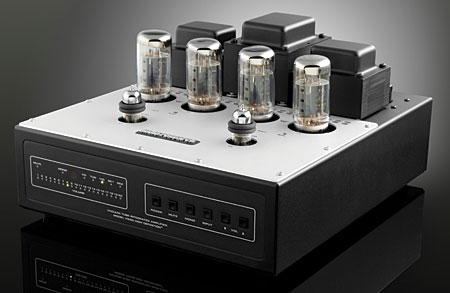
I'm a basically a tube guy, but I've never warmed up to most lower-powered integrated tube amps. Although I quite enjoyed the time I spent with the Cayin A-50T, which I reviewedhttp://www.stereophile.com/integratedamps/308cay">reviewed; in the March 2008 issue of Stereophile, over the years I've typically found I'd rather spend time with mid-priced, solid-state integrateds from Creek, Musical Fidelity, or Simaudio than deal with the loss of definition at the frequency extremes that I've heard from many lower-powered tube models. So it was with a bit of trepidation that I approached the VSi60, a 50Wpc integrated amplifier from Audio Research Corporation.
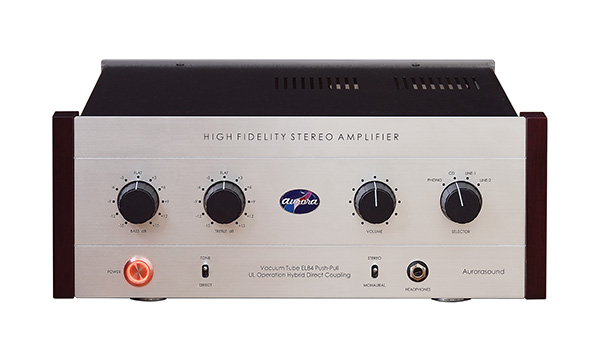
Aurorasound HFSA-01 integrated amplifier
Audiophiles are often misunderstood as mere hobbyists; in fact they hold a profound reverence for sound. Japanese jazz kissas, where vintage vinyl, turntables, tube amplifiers, and horn speakers have drawn audiences since the 1950s, exemplify this passion. Western audiophiles share a similar fervor, though our pursuit of sonic perfection often manifests in a more discreet, almost monastic, lifestyle.
Shinobu Karaki, a 65-year-old electronics designer, is the founder and chief designer of Japan's Aurorasound. A music lover first, an audiophile second, and an aspiring jazz and classical guitarist, Karaki crafts phono stages, step-up transformers, preamplifiers, power amplifiers, and integrated amplifiers for his Yokohama-based audio company.
AVM Evolution C9 CD receiver
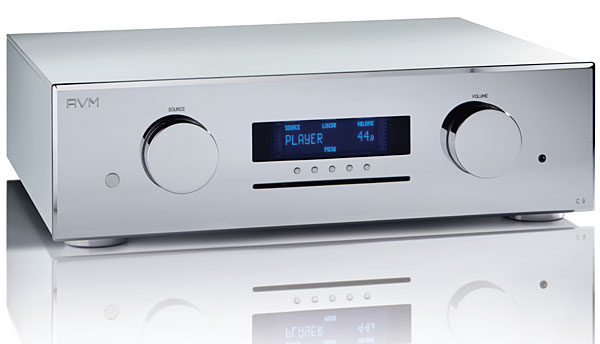
In a perfect world, all a serious record lover would need to enjoy music at home would be a single source component, one or two loudspeakers, and one good integrated amplifier. Speaker wire would be given by the dealer, free of charge, to any shopper who spent x number of dollars on new gear. Cable risers would come in cereal boxes.
AVM Inspiration CS2.3 CD receiver
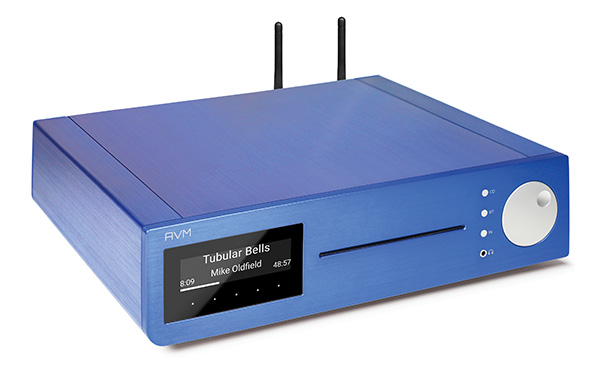
In the 1960s, my dad gave me a Panasonic receiver with two cube speakers, just in time for the advent of FM stereo radio in the San Francisco Bay Area. Out of the blue one night, he just walked in with it. The receiver allowed me to plug in a record player, though I only had a few LPs. Later, when I went off to college, my mom took me shopping for a new stereo. I chose a Kenwood integrated amplifierwithout a tuner but with the capability to plug in a tape deck, which I did. During my undergrad years, it served me well. Later, I switched to an NAD receiver, which allowed me to listen to the radio again.
AVM Ovation A 6.2 ME integrated amplifier
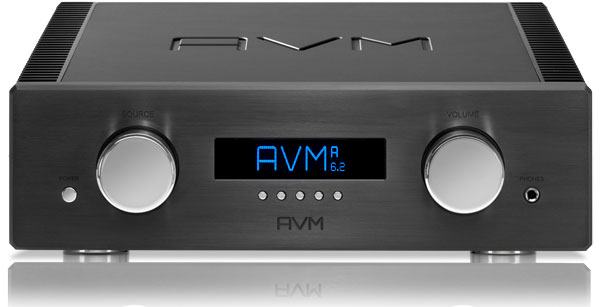
During my 100 years on earth, I've owned mostly separate amps and preamps, but only because that is where I startedor I should say, that is where my audio-savvy friends directed me when I began asking for guidance. Nevertheless, the audio system I've used the longest (unchanged for almost 10 years) consisted of 1984 Rogers LS3/5a loudspeakers (15 ohms, with factory wall mounts) powered by a proletarian-looking Creek 4330 integrated amp sourced by an Oppo CD player.
Ayre Acoustics AX-5 integrated amplifier
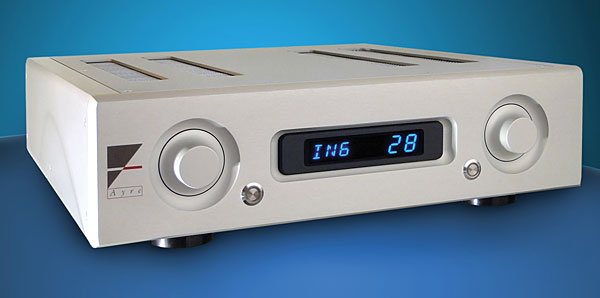
The only thing better than a review that writes itself is a product with a compelling story. Although the latter asks a little more of us here, it's usually the more enduring pleasure.
So it goes with the new AX-5 amplifier ($9950) from Ayre Acoustics, in which designer Charles Hansen has both revived an overlooked technology from a half-century ago and brought to market a more affordable embodiment of one of his own most well-received products.
Ayre Acoustics EX-8 2.0 Integrated Hub D/A integrated amplifier
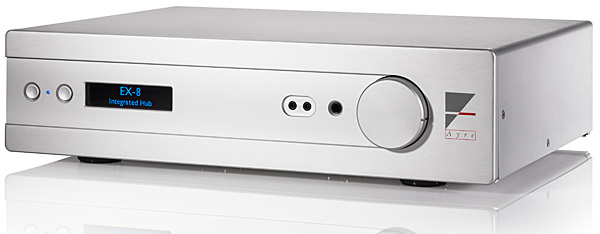
In New York City, everything comes at a premium: Housing, groceries, transportation, walking space, living space, sanity spaceconsider our cubbyhole apartments and tenement buildings. Even "air rights" are for sale in NYC, including rights to the air over my beloved Katz's Delicatessen in the Lower East Side. The square footage of my downtown apartment is less than a quarter of the space of my North Carolina home. (Brownstones? Only above 72nd Street.) But, as the song says, "If you can make it here, you can make it anywhere." What did Frank Sinatra know, anyway? He was from Hoboken!
Ayre Acoustics EX-8 Integrated Hub integrated amplifier
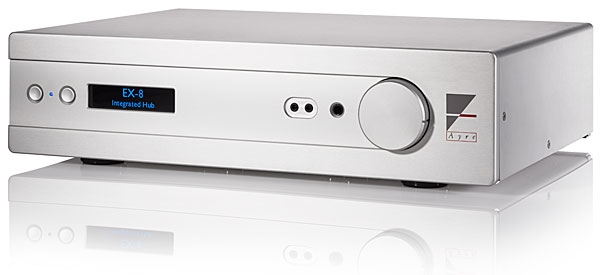
It's a high-end audio truism: Successful companies are founded by a creative engineer or entrepreneur with a vision. So what happens when the founder is no longer around? While Mark Levinson is an example of a brand that not only survived the exit of its leader but thrived, speaker manufacturer Thiel dwindled after co-founder Jim Thiel died in 2009, and eventually closed up shop. Colorado company Ayre Acoustics was faced with this problem when founder Charley Hansen passed away in November 2017.