The first time I encountered Dunlavy's Signature Collection loudspeakers was at the 1993 Chicago Summer CES. I was familiar with, and had a lot of respect for, the speakers John Dunlavy had designed for the Australian Duntech brand, but I thought this new line clearly transcended his previous efforts—and at significantly lower prices. The model that I ended up reviewing—and, after the review (Vol.17 No.4), buying—was the SC-IV, subsequently honored as Stereophile's 1994 Loudspeaker of the Year and Product of the Year. In 1995, the SC-IV underwent changes, including a new woofer and a modified tweeter, resulting in some sonic improvements (see my Follow-Up review in Vol.18 No.3). 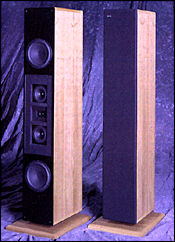 John Dunlavy is not much for sitting on his laurels. The line now includes two more upscale models, the $12,995/pair SC-V and the $24,995/pair SC-VI, the latter Stereophile's Loudspeaker of the Year in 1996. The "baby" SC-I was the magazine's Budget Component of the Year in 1995. And now we have the new SC-IV/A, the result of research evaluating every possible way of improving the SC-IV's measurable and audible performance. (John Dunlavy is probably the most outspoken exponent of the use of measurement in loudspeaker design.) A prototype of the speaker that eventually became the SC-IV/A was introduced at the 1998 CES as the Sigma, and featured an artificial granite base. Not everyone liked the appearance of the base, and, in any case, Dunlavy decided that the additional expense could not be justified on sonic grounds. Then, the Sigma name was dropped, and it seemed that the new speaker, now called SC-IV/A, was going to be the replacement for the SC-IV. However, Dunlavy dealers were unhappy about having no product at the $5999/pair price point, so Dunlavy agreed to keep the SC-IV in the line. The latest in this audio marketing saga is that the SC-IV is finally (as of August 1) gone from the line, the SC-IV/A being its replacement. According to Dunlavy's Andrew Rigby, the SC-IV/A has been outselling the SC-IV by a 25:1 ratio, most customers evidently feeling that the extra $2000 for the SC-IV/A was worth it. As we'll see, Dunlavy customers are a pretty savvy lot.
Something old, something new
John Dunlavy is not much for sitting on his laurels. The line now includes two more upscale models, the $12,995/pair SC-V and the $24,995/pair SC-VI, the latter Stereophile's Loudspeaker of the Year in 1996. The "baby" SC-I was the magazine's Budget Component of the Year in 1995. And now we have the new SC-IV/A, the result of research evaluating every possible way of improving the SC-IV's measurable and audible performance. (John Dunlavy is probably the most outspoken exponent of the use of measurement in loudspeaker design.) A prototype of the speaker that eventually became the SC-IV/A was introduced at the 1998 CES as the Sigma, and featured an artificial granite base. Not everyone liked the appearance of the base, and, in any case, Dunlavy decided that the additional expense could not be justified on sonic grounds. Then, the Sigma name was dropped, and it seemed that the new speaker, now called SC-IV/A, was going to be the replacement for the SC-IV. However, Dunlavy dealers were unhappy about having no product at the $5999/pair price point, so Dunlavy agreed to keep the SC-IV in the line. The latest in this audio marketing saga is that the SC-IV is finally (as of August 1) gone from the line, the SC-IV/A being its replacement. According to Dunlavy's Andrew Rigby, the SC-IV/A has been outselling the SC-IV by a 25:1 ratio, most customers evidently feeling that the extra $2000 for the SC-IV/A was worth it. As we'll see, Dunlavy customers are a pretty savvy lot.
Something old, something new
I defy anyone looking at the SC-IV and the SC-IV/A side by side to tell them apart. The enclosures are the same size, with proportions that I think are the most pleasing in the entire line. Remove the grille and you'll note the same symmetrical arrangement of midrange drivers and woofers around the centrally located tweeter, with heavy felt around the tweeter and midrange (a method of diffraction control for which Dunlavy holds the patent). However, the arrangement of felt on the two models is not the same: on the SC-IV, the felt around the tweeter is in rectangular blocks, whereas on the SC-IV/A it's "stepped" so that the opening is shallower farther from the tweeter. My first thought was that the new arrangement of felt is probably incorporated into current production of the SC-IV as well (my pair is about three years old), but John Dunlavy told me that only the SC-IV/A has the stepped felt surround, which is individually matched to each speaker. The tweeter and midrange units are the same in the SC-IV and the SC-IV/A, but each has gone through three or four generations of improvements since the original SC-IV. (The tweeters and midrange drivers in my SC-IVs are the latest versions.) While you have the grilles off, you'll notice that the woofers are different. The SC-IV woofer is a treated-paper cone made by Vifa, whereas the SC-IV/A woofer has a carbon/paper/fiber cone sourced from ScanSpeak. According to Dunlavy, the ScanSpeak woofer has a much more powerful magnetic structure than the Vifa, and costs about four times as much. To get the best in bass performance, there's no substitute for magnetic flux, and big magnets are expensive. When you consider the fact that a pair of these speakers has four woofers, and that the usual pricing rule dictates the retail price to be four or five times the manufacturing cost, the price difference between the SC-IV and the SC-IV/A starts to make sense.
John Dunlavy is not much for sitting on his laurels. The line now includes two more upscale models, the $12,995/pair SC-V and the $24,995/pair SC-VI, the latter Stereophile's Loudspeaker of the Year in 1996. The "baby" SC-I was the magazine's Budget Component of the Year in 1995. And now we have the new SC-IV/A, the result of research evaluating every possible way of improving the SC-IV's measurable and audible performance. (John Dunlavy is probably the most outspoken exponent of the use of measurement in loudspeaker design.) A prototype of the speaker that eventually became the SC-IV/A was introduced at the 1998 CES as the Sigma, and featured an artificial granite base. Not everyone liked the appearance of the base, and, in any case, Dunlavy decided that the additional expense could not be justified on sonic grounds. Then, the Sigma name was dropped, and it seemed that the new speaker, now called SC-IV/A, was going to be the replacement for the SC-IV. However, Dunlavy dealers were unhappy about having no product at the $5999/pair price point, so Dunlavy agreed to keep the SC-IV in the line. The latest in this audio marketing saga is that the SC-IV is finally (as of August 1) gone from the line, the SC-IV/A being its replacement. According to Dunlavy's Andrew Rigby, the SC-IV/A has been outselling the SC-IV by a 25:1 ratio, most customers evidently feeling that the extra $2000 for the SC-IV/A was worth it. As we'll see, Dunlavy customers are a pretty savvy lot. I defy anyone looking at the SC-IV and the SC-IV/A side by side to tell them apart. The enclosures are the same size, with proportions that I think are the most pleasing in the entire line. Remove the grille and you'll note the same symmetrical arrangement of midrange drivers and woofers around the centrally located tweeter, with heavy felt around the tweeter and midrange (a method of diffraction control for which Dunlavy holds the patent). However, the arrangement of felt on the two models is not the same: on the SC-IV, the felt around the tweeter is in rectangular blocks, whereas on the SC-IV/A it's "stepped" so that the opening is shallower farther from the tweeter. My first thought was that the new arrangement of felt is probably incorporated into current production of the SC-IV as well (my pair is about three years old), but John Dunlavy told me that only the SC-IV/A has the stepped felt surround, which is individually matched to each speaker. The tweeter and midrange units are the same in the SC-IV and the SC-IV/A, but each has gone through three or four generations of improvements since the original SC-IV. (The tweeters and midrange drivers in my SC-IVs are the latest versions.) While you have the grilles off, you'll notice that the woofers are different. The SC-IV woofer is a treated-paper cone made by Vifa, whereas the SC-IV/A woofer has a carbon/paper/fiber cone sourced from ScanSpeak. According to Dunlavy, the ScanSpeak woofer has a much more powerful magnetic structure than the Vifa, and costs about four times as much. To get the best in bass performance, there's no substitute for magnetic flux, and big magnets are expensive. When you consider the fact that a pair of these speakers has four woofers, and that the usual pricing rule dictates the retail price to be four or five times the manufacturing cost, the price difference between the SC-IV and the SC-IV/A starts to make sense.