| Columns Retired Columns & Blogs |

J. Gordon Holt
Sort By: Post Date TitlePublish Date
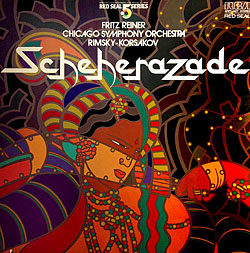 Rimsky-Korsakov: Scheherazade
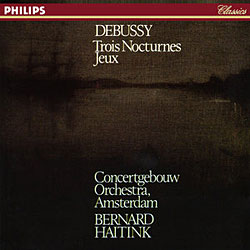 Debussy: Three Nocturnes; Jeux
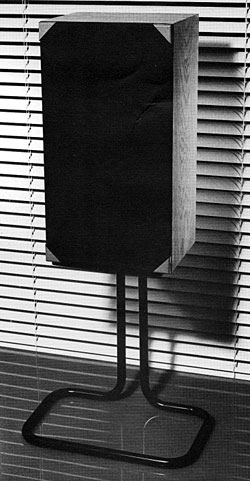 The Gale loudspeaker dates back to the early 1970s. As I understand it, the basic design resulted from a collaboration of Ira Gale and Sao Win, who were college classmates at the time. Their speaker proved very popular in England and was subsequently imported to the USA during the mid-1970s by Audio Technica. Recently, Techport (the folks who import the Perreaux line) has taken over US distribution.
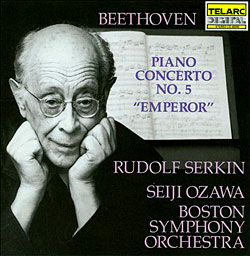 Beethoven: Piano Concerto No.5 "The Emperor"
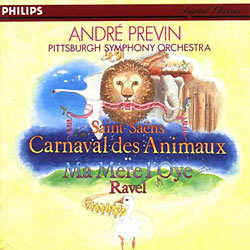 Saint-Saëns: Carnival of the Animals
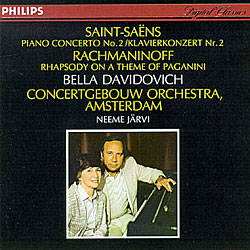 Saint-Saëns: Piano Concerto No.2
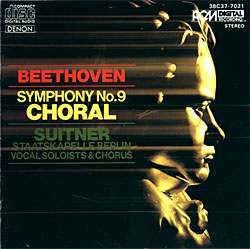 Beethoven: Symphony 9 in d, Op.125 ("Choral")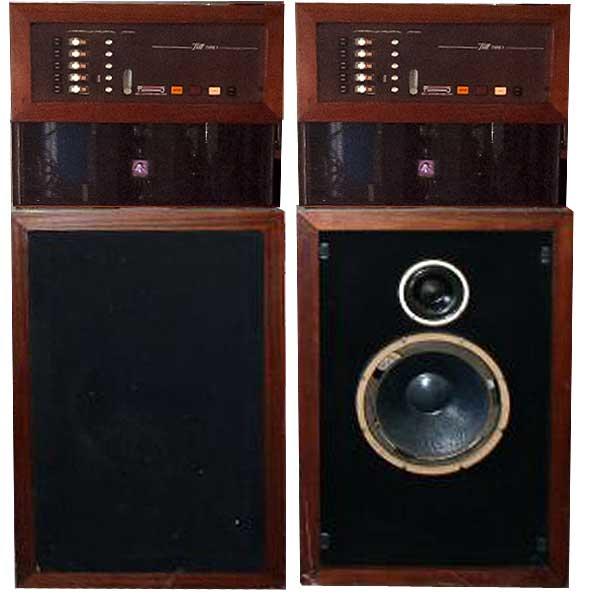
 Mozart: Eine Kleine Nachtmusik, Posthorn Serenade
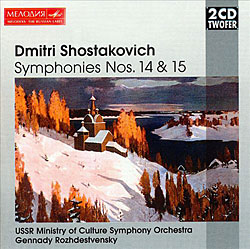 Shostakovich: Symphony 15
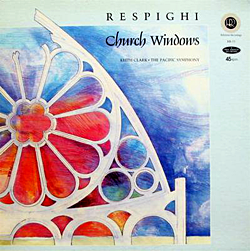 Respighi: Church Windows
 BERLIOZ: Symphonie Fantastique
Pages




| Loudspeakers Amplification Digital Sources |  |
Analog Sources Accessories Featured | |
Music Columns Retired Columns | |
Show Reports | |
Features Latest News Community | |
Resources Subscriptions |
 © 2024 Stereophile
AVTech Media Americas Inc., USA
All rights reserved